
Car Lease Ending? How to Decide Whether to Buy It Out
Leasing can make a new car more affordable month to month, but the end of the lease brings an important decision: return the vehicle, replace it with another one, or buy the car you have been driving. The best choice is not automatically the one with the lowest monthly payment. It depends on the vehicle’s condition, mileage, market value, buyout price and your plans for the next several years.
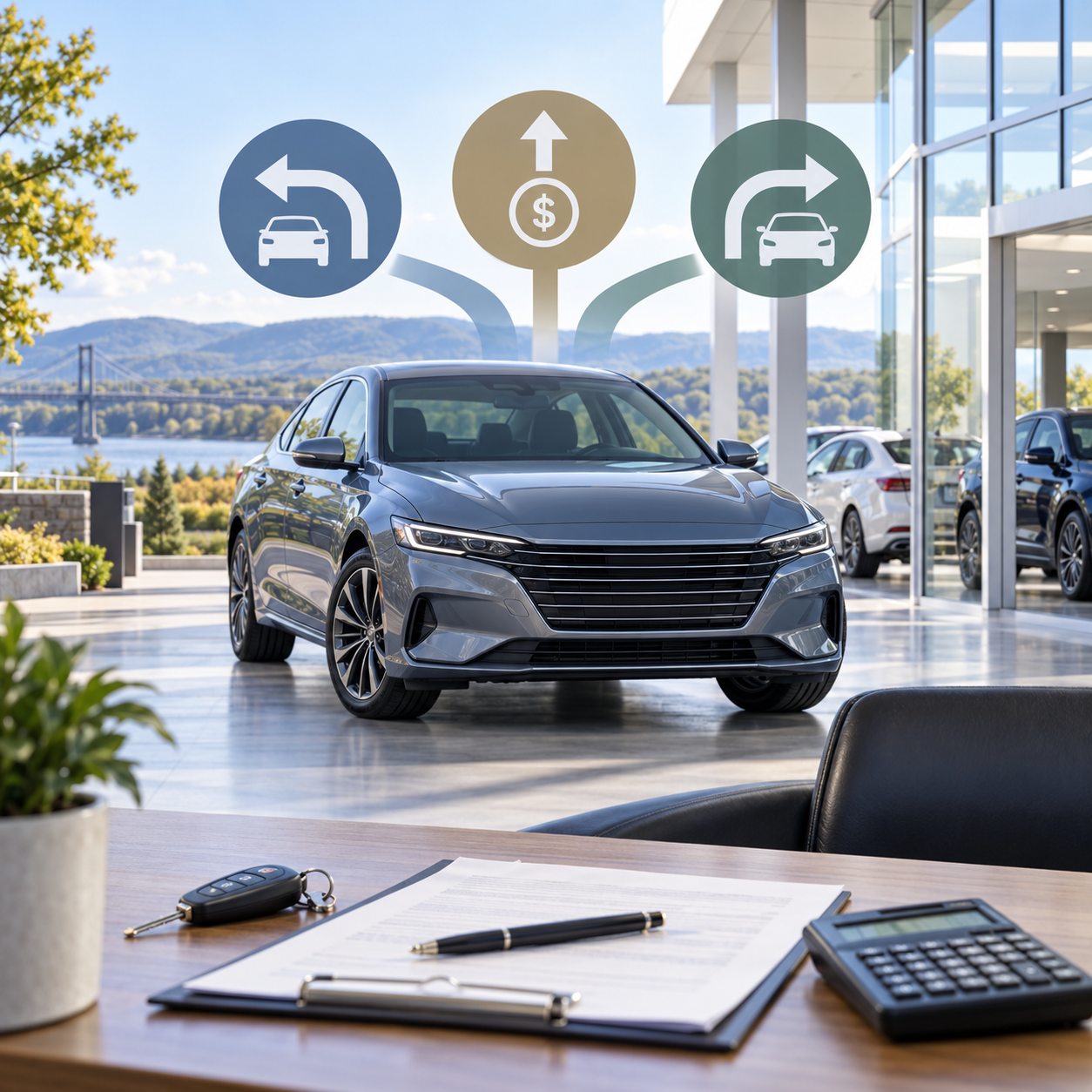
How a car lease works
A lease is essentially a long-term rental agreement. Your monthly payment generally covers the vehicle’s expected depreciation during the lease, along with a finance charge, taxes and applicable fees. Unlike a conventional auto loan, making the final scheduled lease payment does not make you the owner.
Most consumer vehicle leases are closed-end leases. At the scheduled end, you can normally return the vehicle without being responsible for a difference between its market value and the residual value, although mileage, damage and other contractual charges may still apply. Your own lease agreement controls the exact options and costs.
What is the lease-end buyout price?
Most leases include a purchase option. The contract normally states the price you may pay to own the vehicle at lease end. This is commonly based on the residual value established when the lease began. A purchase-option fee, sales tax, title and registration costs may be added.
Do not compare the residual value alone with online used-car listings. Ask the leasing company for a written, itemized buyout quote showing the total amount needed to transfer ownership. Dealer documentation or processing charges may also appear, depending on the transaction and applicable law.
Your main options at lease end
1. Return the car
You can return the vehicle to the leasing company or its designated dealer. Before doing so, review the allowed mileage and the company’s standards for normal versus excess wear. Schedule any offered pre-return inspection early enough to address legitimate repair items.
Possible charges include excess mileage, excess wear, missing equipment, unpaid payments and a disposition fee. The Federal Trade Commission recommends checking the lease for mileage, wear-and-tear and disposition charges rather than focusing only on the advertised monthly payment.
2. Buy the car with cash
If the buyout total is attractive and you have sufficient funds without draining your emergency savings, paying cash avoids a new loan and its interest charges. After payment, the leasing company transfers the title according to your state’s process.
3. Finance the lease buyout
You can also use a lease-buyout loan. Compare offers from banks, credit unions, online lenders and the dealer or leasing company. Compare annual percentage rate, term, total interest, fees and whether the loan permits early repayment without penalty.
A long loan term may produce a comfortable payment while increasing total interest and leaving you financing an aging car for years. Before committing, estimate the combined monthly cost of the payment, insurance, maintenance and likely repairs.
4. Replace it with another vehicle
You may return the car and lease or purchase something else. Loyalty programs sometimes waive a disposition fee or offer incentives, but judge the new transaction independently. A waived fee does not necessarily compensate for a higher vehicle price, unfavorable financing or unnecessary add-ons.
When buying your leased car may make sense
A buyout deserves serious consideration when the vehicle’s realistic market value is higher than the total buyout cost. Obtain several trade-in and purchase estimates for the same trim, mileage and condition. Then compare those figures with the itemized buyout—not simply the residual shown in the original contract.
Buying may also be sensible when:
- You know the car’s service and accident history.
- The vehicle has been reliable and still suits your needs.
- You are substantially over the mileage allowance.
- The car has chargeable wear that you can comfortably live with.
- Comparable replacement vehicles cost considerably more.
- You intend to keep the vehicle long enough to justify taxes and financing costs.
Excess mileage and wear charges are usually associated with returning the vehicle, but buying solely to avoid a return bill can still be a poor deal. Compare the avoided charges with the full cost of purchasing and owning the car.
When returning it may be better
Returning the vehicle is often the stronger choice when the buyout is well above market value, the car has reliability concerns, your transportation needs have changed, or a large repair may be approaching. One advantage of a typical closed-end lease is the ability to walk away from an unfavorable residual value at the scheduled end, subject to the contract’s return charges.
Can you negotiate the buyout?
The residual value written into the lease is often treated as fixed, but policies differ among leasing companies. It costs nothing to ask the lease holder—not just the dealer—whether the purchase price or any fees are negotiable. Do not assume that a dealer controls the payoff amount.
Some lessors also restrict third-party buyouts, meaning another dealer may not be permitted to purchase the vehicle directly. Confirm the current rules with the leasing company before relying on an outside trade-in offer.
A simple lease-end checklist
- Read the purchase-option and vehicle-return sections of your contract.
- Request an itemized buyout quote directly from the lease holder.
- Check the quote’s expiration date and whether another payment is due.
- Get several realistic market-value estimates.
- Arrange a pre-return inspection if you might return the vehicle.
- Price cash and financing scenarios, including taxes and fees.
- Compare the total costs—not just monthly payments.
- Allow enough time for title, registration and lender paperwork.
The bottom line
A lease-end buyout can be an excellent way to keep a car you already know, especially when its market value exceeds the contractual purchase price. It can also become an expensive emotional decision if the buyout is above market or financed over too many years. Start comparing options several months before the lease ends, obtain every figure in writing and base the decision on total cost.
This article provides general educational information, not individualized financial, tax or legal advice. Lease terms and state requirements vary.
Consumer resources